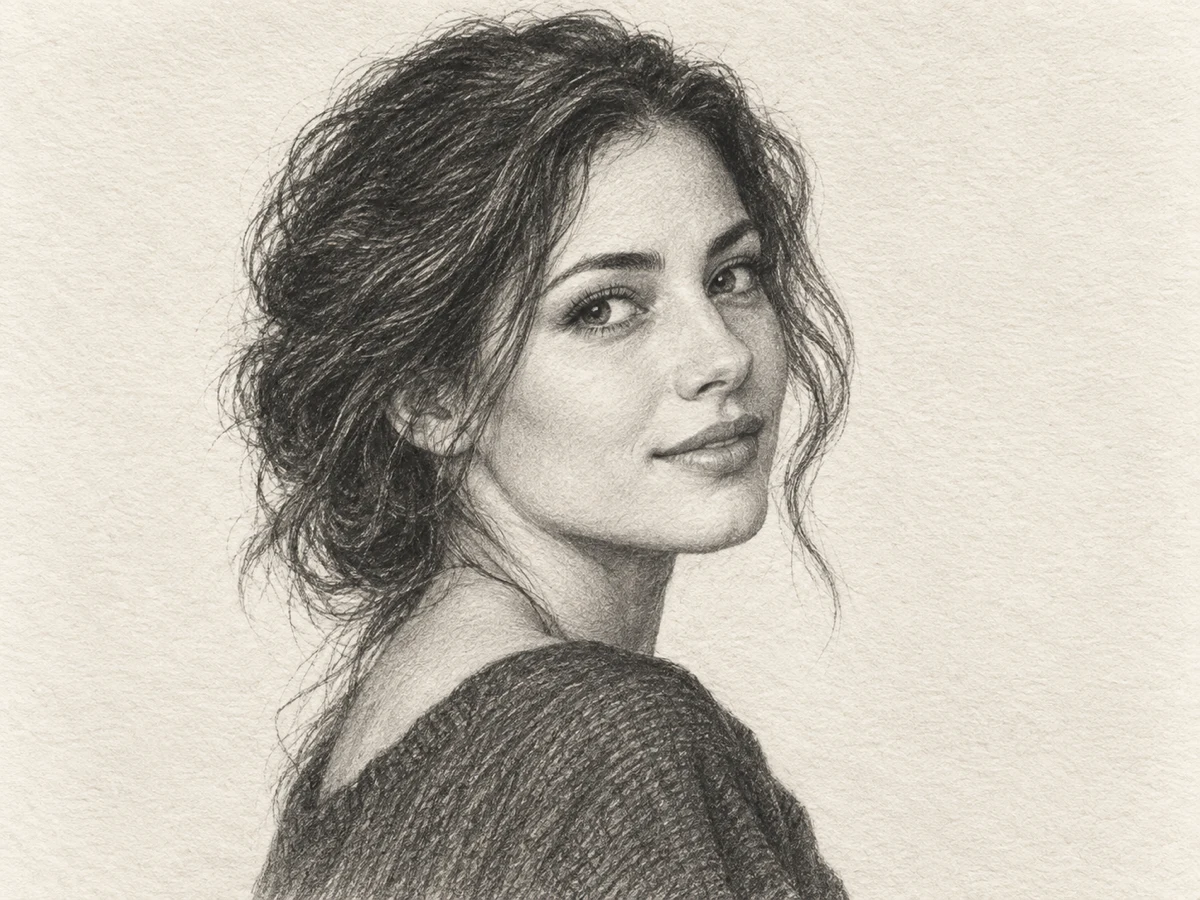
 Portrait / pencil
A portrait with soft graphite structure
Pencil shading keeps facial planes, hair direction, and subtle expression readable while introducing a quiet paper-study feel.
Photo to Sketch turns one uploaded image into a hand-drawn pencil, charcoal, or ink study. Choose a visual direction, keep the original beside the result, and download only after you have inspected the details that matter.
Awaiting your source photo
Upload one clear image, choose a mark-making direction, and the generated sketch will appear here with a draggable Before / After review.
A sketch converter is most useful when the visual treatment follows the subject. These studies show the intended decision: preserve the structure first, then choose the mark-making language that serves it.
Portrait / pencilPencil shading keeps facial planes, hair direction, and subtle expression readable while introducing a quiet paper-study feel.
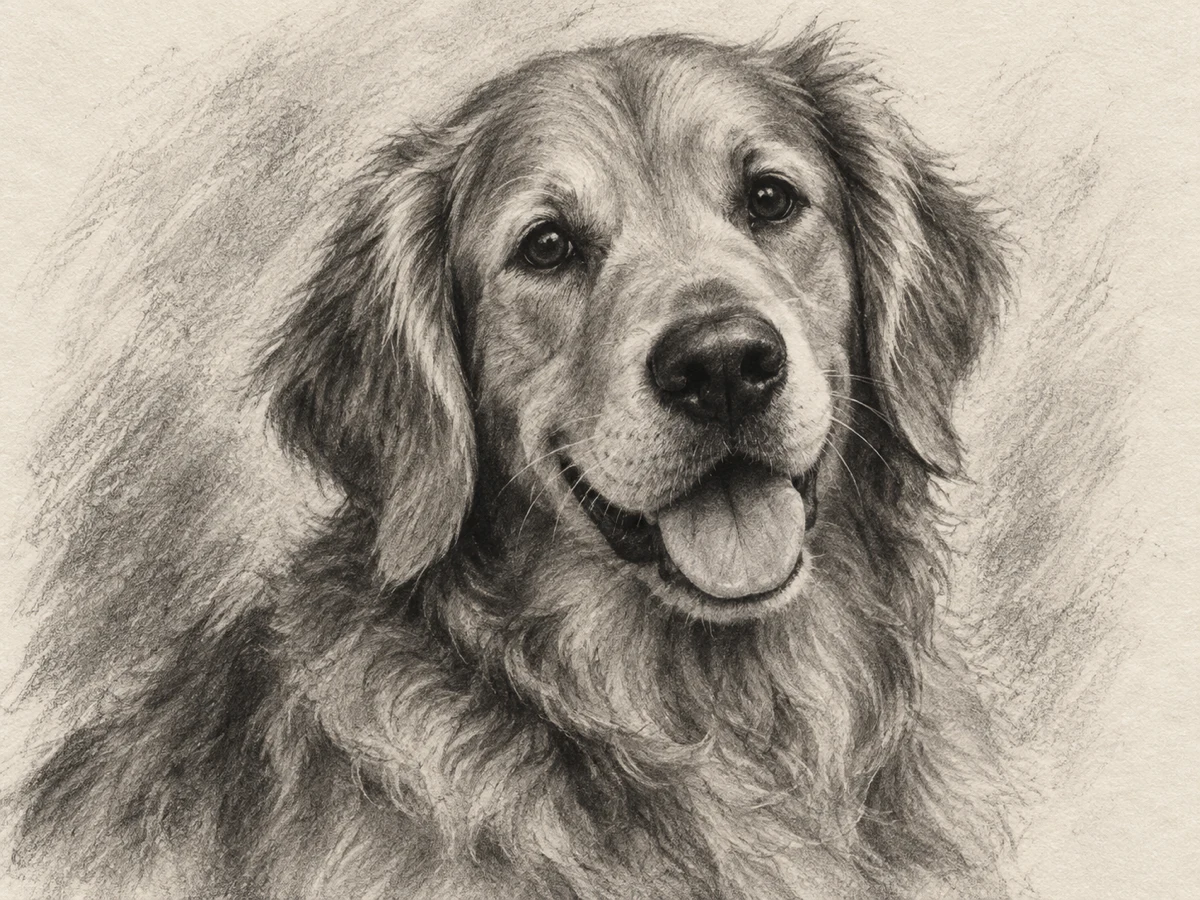 Pet / charcoal
Charcoal is a strong fit for fur, dark eyes, and high-contrast silhouettes because broad values can carry more emotion than a hard outline alone.
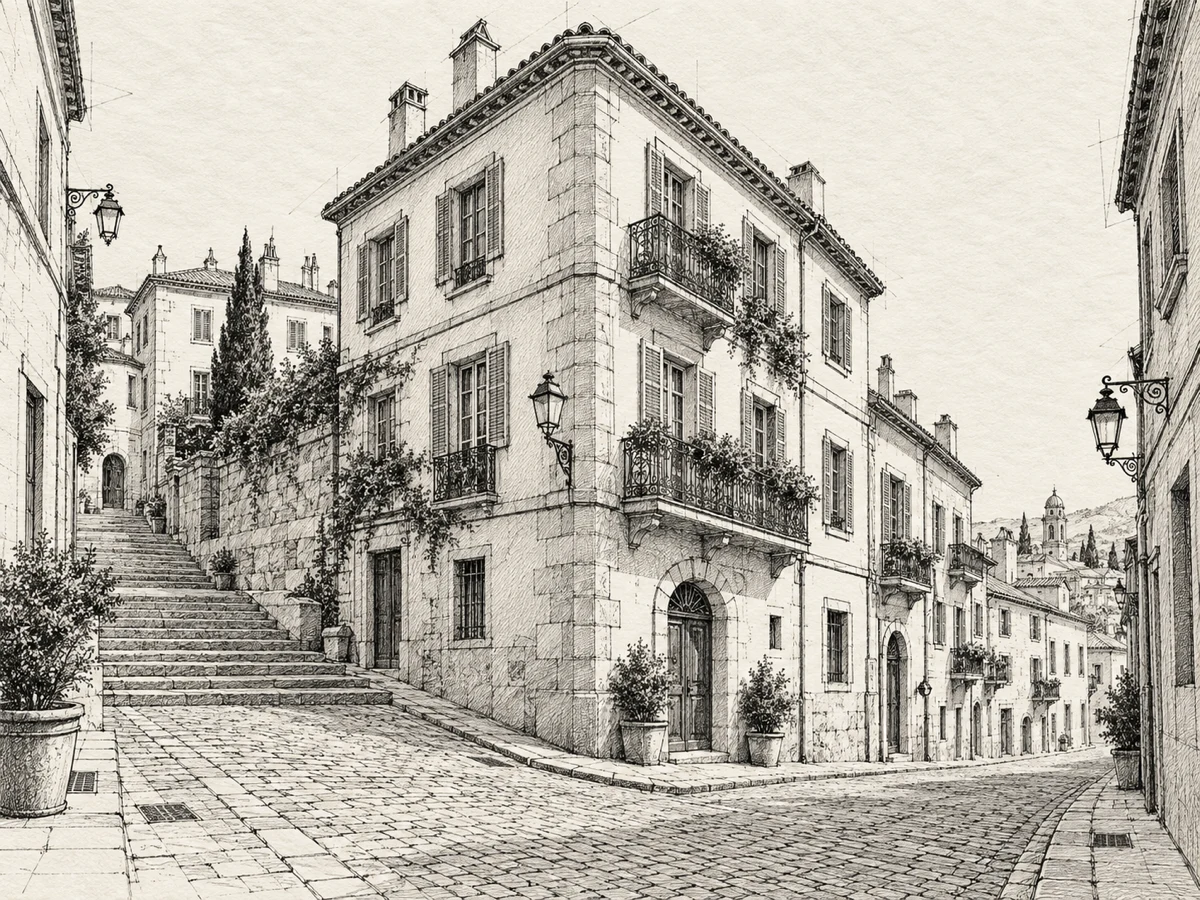 Architecture / ink
Ink makes perspective, windows, and repeating geometry legible with deliberate contours and restrained cross-hatching.
Photo to sketch conversion transforms a photograph into a drawing-like image by reinterpreting its edges, tones, and textures as pencil, charcoal, or ink marks. It is not a simple grayscale filter: the result is an AI-generated interpretation, so important faces, text, logos, and proportions should be checked against the original.
The practical goal is controlled reinterpretation. A useful result keeps the subject recognisable, preserves the composition, and changes the surface language without adding distracting objects or lettering. That is why this page keeps the source image in the same review stage as the generated sketch.
Start with a well-lit image and a clear subject. Portraits benefit from visible eyes and facial planes, pets benefit from a readable silhouette and fur direction, and buildings benefit from straight architectural edges. The style choice changes the marks; it does not repair an unclear source.
The style selector is a real generation setting, not a decorative label. Pick the treatment that matches how you want the subject to read after conversion.
Soft graphite shading, delicate hatching, and restrained contrast for portraits, editorial studies, and quiet personal keepsakes.
Best for faces, hands, and subtle expression.
Broad marks, deep values, and tactile smudging for a more expressive result with visible gesture and weight.
Best for pets, fashion, and dramatic silhouettes.
Confident black contours and selective cross-hatching for graphic studies where shape and perspective should stay crisp.
Best for buildings, objects, and line-led compositions.
The page keeps the workflow short enough for a first attempt while exposing the review step that prevents a pretty result from hiding an important mistake.
Add a JPG, PNG, or WebP image. Use one subject with enough light and resolution for the eyes, edges, or architectural lines to be inspected after conversion.
Confirm the thumbnail is the source you intended to transform.
Select pencil for soft tonal study, charcoal for expressive weight, or ink for deliberate contours. The selected treatment is sent with the generation request.
Choose the marks that support the subject, not just the strongest contrast.
Drag the Before / After divider across faces, text, logos, repeating patterns, and hard edges. Download only when the sketch preserves the details you need.
Keep the original file as the reference for any later editing or print work.
The comparison below describes the public workflow each product presents, not a benchmark of hidden model quality. The useful distinction is where the decision and inspection happen: this page puts style selection and Before / After review in the same focused tool.
| Criterion | Nano Banana Pro | Fotor | Toolster |
|---|---|---|---|
| Primary workflow | Upload one photo → choose pencil, charcoal, or ink → compare → download | Photo-to-sketch converter with a broader editing product around it | Simple browser conversion flow for turning a photo into a sketch |
| Style decision | Three explicit mark-making directions exposed before generation | Multiple sketch-oriented treatments presented on its feature page | Conversion-first flow; advanced style detail is not the main promise |
| Review before export | Built-in Before / After divider keeps source and result together | Preview and download within the converter workflow | Preview/download flow with a lighter inspection surface |
| Best fit | Users who want a focused, style-led conversion with an explicit check step | Users who also want to continue into a larger browser editing suite | Users who want a quick, low-decision conversion for casual use |
Choose Nano Banana Pro when the sketch itself is the deliverable and you want the style choice, source comparison, and download decision in one compact workspace. For every tool, inspect faces, text, logos, and exact geometry before using the result commercially.
Clear expectations make the first conversion more useful and make the review step faster.
Use a clear JPG, PNG, or WebP image with good lighting and a readable subject. Portraits should show facial features, pets should have a distinct silhouette, and buildings should have visible edges and perspective.
Yes. The tool exposes pencil, charcoal, and ink as generation choices. Pencil is softer, charcoal carries more tonal weight, and ink prioritises confident contours and selective hatching.
The request asks the image model to preserve the subject identity, silhouette, pose, composition, and important details. Because the output is an AI interpretation, compare it with the original before relying on a face, logo, text, or exact feature.
Yes. After generation, the result stage keeps the uploaded source under a draggable Before / After divider so you can inspect the conversion before downloading it.
The dedicated page is set to one 1K output and displays 15 credits per sketch before you generate. Uploading and selecting a style do not consume generation credits; credits are reserved when the authenticated generation request is accepted.
Review the current Nano Banana Pro Terms of Service and make sure you have rights to the source photo. Always inspect the output for accidental text, logos, or likeness issues before publishing or selling it.
Start with the image that matters, choose the mark-making direction, and let the Before / After stage decide whether the result is ready to keep.